Tree inspections in Balham
If you need tree inspections in Balham, you’re probably looking for clear answers, local know-how, and a service that feels practical rather than confusing. Trees are a major part of Balham’s streets, gardens, courtyards, and shared spaces, and they add huge value to homes and commercial premises. At the same time, trees need regular attention to make sure they remain safe, healthy, and suitable for their location. Whether you own a family house near Balham High Road, manage a rental property close to Clapham South, or are responsible for a shopfront, school, office, or communal garden, a professional inspection can help you make informed decisions before small issues become bigger ones.
Local tree inspections are about more than looking at leaves and branches. A proper assessment considers the whole tree, the surrounding ground, nearby buildings, pedestrian routes, access points, and signs of structural weakness. In an area like Balham, where mature trees often sit close to houses, boundary walls, parked cars, and busy pavements, that wider picture matters. A skilled arborist can help identify visible defects, check for disease or decay, assess rooting conditions, and explain whether action is needed now or simply monitored over time.
This page is designed for Balham residents and property managers who want straightforward information on how tree inspection services work, what is included, and when to book one. If you’ve noticed deadwood, a leaning trunk, fungus at the base, cracks in major limbs, or changes after stormy weather, now is a sensible time to arrange an assessment. Contact us today to request a quote or book your service now.
Why tree inspections matter in Balham

Balham has a varied mix of housing and property types, from period terraces and converted flats to modern apartment blocks, mews-style developments, retail units, schools, and communal gardens. Many of these places contain trees that have been growing for years, sometimes decades, and those trees can become increasingly important as the surrounding environment changes. Extensions, basement works, paving upgrades, or simply heavier use of outdoor space can alter drainage, root space, and the amount of pressure placed on a tree’s growing area.
In tree inspections Balham customers often want reassurance about safety, but there are several other reasons to have trees checked. A professional inspection can help you understand if a tree is stable after strong winds, whether a specimen is declining, whether pruning or remedial work is advisable, and whether a tree is likely to affect nearby structures. For landlords and managing agents, regular checks can also support sensible property maintenance planning and help reduce avoidable surprises.
Tree inspections are especially useful in built-up local streets where roots may be competing with hard surfaces or where canopies overhang roofs, fences, shared paths, or parking spaces. Even when a tree looks healthy from the outside, internal decay, root disturbance, or structural imbalance can still be present. That is why a trained eye matters. A local tree inspector understands the conditions common in Balham and can interpret what they see in the context of your property type and the nearby environment.
What a professional tree inspection includes
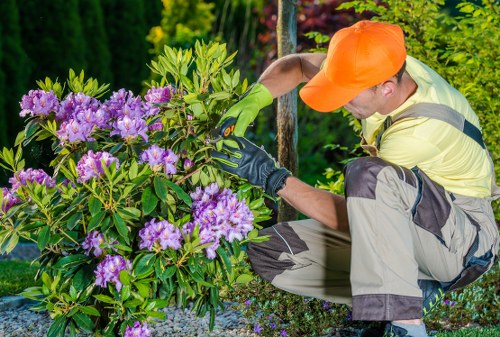
A thorough tree inspection should be practical, methodical, and easy to understand. The aim is not to alarm property owners but to give you reliable information so you can act appropriately. Depending on the tree, the site, and the reason for the visit, an inspection may be visual only or may involve closer observation from the ground, checking the base and root area, and assessing nearby targets such as buildings, driveways, footpaths, and play areas.
Typical points covered during tree inspections in Balham may include:
- Tree species, age, and general condition
- Crown shape, balance, and signs of previous pruning
- Dead, damaged, broken, or hanging branches
- Evidence of pests, disease, fungal fruiting bodies, or decay
- Root flare, soil movement, heave, or compaction around the base
- Trunk defects such as splits, cavities, included bark, or wounds
- Proximity to buildings, walls, utility routes, and public access areas
- Likely impact of wind exposure, shade, drought, or restricted rooting space
Where needed, an arborist can also advise on next steps. That might mean doing nothing immediately and reviewing the tree later, carrying out selective pruning, reducing deadwood, improving the growing environment, or arranging more detailed investigation. The right recommendation will depend on the tree’s condition and the level of risk it presents. The best inspections are clear, proportionate, and tailored to the actual situation rather than offering a one-size-fits-all answer.
When should you arrange a tree inspection?

There are several common moments when property owners in Balham decide it’s time for a tree assessment. Some are obvious, such as after a storm when branches have fallen or a tree suddenly appears to be leaning more than before. Others are more routine, for example before starting building work, before buying or selling a property, or as part of ongoing site management for communal grounds and commercial premises. If you are unsure whether a tree is safe, it is better to have it checked than to guess.
Common reasons to book tree inspections in Balham include:
- Visible decay, fungi, cracks, or cavities
- Deadwood, broken limbs, or hanging branches
- Storm damage, high winds, or sudden tree movement
- Concerns about branches overhanging roofs or paths
- Tree roots affecting paving, walls, or nearby surfaces
- Planning building works close to trees
- Regular checks for landlords, schools, and managing agents
- Pre-purchase due diligence for a property with mature trees
Some trees need urgent attention, while others can simply be monitored. A professional inspection helps distinguish between the two. That matters because unnecessary tree work can be expensive and disruptive, while delaying needed work can increase risk. In a neighbourhood like Balham, where trees often sit close to homes, gardens, and shared access routes, a balanced view is particularly useful.
Tree inspections for homes, landlords, and businesses
Balham is home to a wide mix of residential and commercial properties, and the right inspection service should be flexible enough to suit all of them. Homeowners often want reassurance about garden trees, trees near garages, boundary planting, or large specimens visible from the street. Landlords may need a tree checked between tenancies, after tenant concerns, or as part of routine property care. Commercial customers may be dealing with car parks, front forecourts, courtyards, or public-facing areas where a tree defect could affect customers or staff.
For residential customers, tree inspections can help with questions such as whether a tree is too close to the house, whether a limb is becoming too heavy, or whether root growth is affecting nearby paving. For commercial and managing agent clients, the service can help support day-to-day safety planning across shared areas. Schools, nurseries, hospitality venues, offices, and retail premises all benefit from having trees assessed by someone who understands both arboriculture and practical site conditions.
Local knowledge is especially valuable here. Balham streets can present narrow access, on-street parking, controlled parking zones, and limited turning space for vehicles. A local tree team is more likely to understand how to work around these constraints efficiently, which helps keep disruption lower for residents, staff, and visitors. If you need a site visit arranged with minimal fuss, request a free quote and ask about inspection availability.
How a tree inspection works

Although every site is different, the process is usually straightforward. The aim is to make the inspection easy to organise and useful once it’s complete. A reputable arborist will normally begin by discussing your concern, the tree location, and any recent changes you’ve noticed. This helps shape the inspection so it focuses on the right issues and the right level of detail.
A typical inspection process may involve:
- Initial discussion of your concern, tree location, and site access
- On-site visual assessment from ground level
- Review of the tree’s overall structure, condition, and surroundings
- Identification of visible defects, stress, or damage
- Practical explanation of risk, likely causes, and possible next steps
- Advice on whether pruning, monitoring, or further investigation is needed
In some cases, more detail may be recommended. That could include a closer inspection of the root area, targeted examination of the trunk, or specialist advice where decay or structural weakness is suspected. The key point is that a good inspection should leave you with a clear understanding of what was found and what, if anything, should happen next. It should not be vague or overloaded with technical language that leaves you more uncertain than before.
For many Balham customers, one of the main benefits is peace of mind. You may have been concerned about a tree for weeks or months and simply want an informed view from someone who knows what they are looking at. That reassurance can be just as valuable as any remedial work that might follow.
Why a local Balham team can be the better choice
Choosing a local company for tree inspections in Balham can make the whole process easier. A nearby team is more likely to understand the types of trees commonly found in the area, the challenges posed by older housing stock, and the realities of working in streets where parking, access, and neighbours all need to be considered. This can be particularly helpful if your property has a mature tree in a confined front garden, a rear access lane, or a shared courtyard.
Local arborists are also better placed to respond quickly when there is a time-sensitive issue. If a storm has caused visible movement or a large branch has failed, speed matters. The sooner a qualified professional can look at the tree, the sooner you can decide whether temporary precautions or urgent work are needed. A local team may also be more comfortable advising on practical matters such as how to stage access, where a vehicle can park safely, and how to reduce disruption for neighbours or site users.
Local knowledge also helps with context. In Balham, a tree that would be completely fine in a large open park may need a different approach when it is growing beside a Victorian terrace, a basement extension, or a busy shared walkway. That is why tree inspections Balham residents book should be carried out by someone who understands the local built environment and the pressures that nearby structures can place on trees, and vice versa.
What affects the cost of a tree inspection?
People often want a clear answer on cost, but tree inspection pricing can vary depending on several practical factors. Rather than quoting a one-size-fits-all figure, it is better to understand what influences the final price and why. That way you can compare services sensibly and choose the level of assessment that suits your property.
Pricing factors may include:
- Number of trees to be inspected
- Size, height, and complexity of the tree
- How accessible the site is
- Whether the inspection is a straightforward visual check or a more detailed assessment
- Urgency of the visit
- Any additional written reporting or follow-up advice required
- Whether the trees are in a residential garden, communal area, or commercial setting
Access can be a significant factor in Balham because not every property offers easy driveway space or room for equipment. Some homes have narrow side access, limited rear garden entry, or only on-street parking nearby. Commercial premises may have service yards or loading restrictions to work around. A local team will usually take these realities into account when planning the visit, which helps avoid delays and keeps the process efficient.
If you are arranging an inspection for several trees at once, it can be useful to list them in advance and explain what concerns you most about each one. That helps the arborist allocate enough time and ensures the quote reflects the actual job. For example, a single tree in good condition is very different from multiple mature trees with visible decay, storm damage, or complex structural concerns.
Preparing for your tree inspection
There is usually very little preparation needed before an inspection, but a few simple steps can help the visit go smoothly and allow the arborist to assess the tree properly. If you are a homeowner, it can be helpful to clear any obstacles from around the tree base where possible and make sure the inspector can access the main trunk and root area. If the tree is in a shared garden or communal space, it may be worth informing neighbours, residents, or site staff that a visit is planned.
Useful preparation checklist:
- Note any recent changes, such as leaning, leaf loss, cracking, or falling branches
- Make sure access gates, side passages, or communal entry points can be opened
- Remove temporary items from around the base if safe to do so
- Identify any concerns about nearby buildings, walls, paths, or parked vehicles
- Be ready to mention past pruning, storm damage, or previous tree work
- Tell the inspector about any planned building works near the tree
For commercial sites, advance preparation is especially useful. Busy premises may need the inspection timed around opening hours, deliveries, or customer traffic. Schools and managed residential blocks may need liaison with caretakers or building managers. A professional local arborist will usually try to keep disruption low and fit the visit around the realities of your site.
Small details can make a big difference. If you are able to provide clear information before the visit, the inspection can focus more quickly on the parts of the tree that matter most to you. That means better use of time and clearer advice in return.
Signs your tree may need closer attention
Not every tree problem is obvious, and some signs are easy to miss if you are not used to looking for them. However, there are a few warning signs that should prompt a closer look. These include large dead branches in the canopy, a sudden change in lean, bark lifting away from the trunk, visible fungus at the base, or signs of soil movement around roots. If you notice any of these, it is sensible to seek a professional opinion rather than waiting for the situation to improve on its own.
Other signs that may suggest an inspection is worth arranging include reduced leaf size, poor leaf cover in season, repeated branch drop, cracks at major junctions, or evidence that a tree is under stress due to nearby excavation or prolonged dry conditions. In Balham, where many trees must cope with limited rooting areas and hard landscaping, those stresses can build gradually and become easier to spot with a trained eye.
Important point: a tree can appear healthy while still having hidden defects. That is why a visual inspection by an experienced arborist is so valuable. It can confirm whether the tree is stable and suitable for its setting or whether extra work should be considered.
Common concerns from Balham property owners
Customers often ask similar questions when arranging tree inspections in Balham. One common concern is whether a tree is too close to a house. Another is whether roots might damage paving, drainage, or nearby walls. Others want to know if a tree that has lost a large branch can remain in place or if it needs urgent attention. In some cases, the question is whether a tree can be retained safely with pruning and ongoing monitoring, rather than removed or heavily reduced.
These are all sensible questions, and the answers depend on the specific tree and site conditions. A professional inspection should not rush to the most dramatic solution. Instead, it should help you understand the level of risk, the tree’s likely future condition, and the options available. That balanced approach is especially important for mature trees, which often provide character, privacy, shade, and environmental value in addition to needing responsible management.
In a neighbourhood with plenty of established streetscape planting and private gardens, retaining a tree where possible is often preferable. But retention should always be based on sound assessment. If a tree is clearly failing or presenting an unacceptable risk, prompt action may be the safest route. Either way, having the facts makes the decision easier.
Areas covered around Balham
Tree inspections are not just for one small part of the area. Local customers often need services across Balham and nearby neighbourhoods where similar property layouts and tree issues are common. This can include residential streets, shared gardens, commercial frontages, and managed developments in surrounding locations. If you manage multiple sites, it can be helpful to arrange inspections across more than one property on the same visit where practical.
Nearby areas commonly served include:
- Balham Hill
- Balham High Road
- Clapham South
- Tooting Bec
- Wandsworth Common
- Streatham Hill
- Clapham
- Tooting
If your property sits just outside the immediate centre of Balham, it is still worth enquiring. Trees and access conditions in nearby areas can present the same practical issues, and a local team can usually advise whether the inspection can be arranged efficiently.
FAQs about tree inspections in Balham
Do I need a tree inspection if the tree looks fine?
Yes, in many cases that is exactly when an inspection is useful. Some defects are not visible to an untrained eye, and trees in built-up areas may be under more pressure than they appear to be. A routine check can confirm whether the tree is still suitable for its location.
How often should trees be inspected?
There is no single answer, because it depends on the tree species, age, location, and condition. A mature tree close to buildings or a busy access route may need more regular attention than a younger tree in a more open setting. Your arborist can advise on a sensible interval.
Can you inspect several trees during one visit?
Yes, that is often possible and can be a practical option for homeowners, landlords, and commercial sites. If you have more than one tree of concern, mention them in advance so the visit can be planned properly.
What happens if a tree needs work after inspection?
If action is recommended, the next step may involve pruning, deadwood removal, monitoring, root-zone considerations, or more detailed investigation. The right solution depends on the issue identified. A good inspection should explain the reasons clearly so you can decide what to do next.
Can an inspection help before building work?
Absolutely. If you are planning an extension, driveway changes, landscaping, or excavation near a tree, it is wise to have the tree assessed first. This can help you understand how close you can work to it and whether any protective measures are needed.
Will the inspection be disruptive?
Usually, no. Most inspections are carried out from ground level and can be completed with minimal disruption. Access may need to be arranged carefully in Balham because of parking and narrow frontages, but a local team should be able to plan around that.
Choosing the right team for the job
When you are choosing a company for tree inspections in Balham, it is worth looking for practical experience, clear communication, and a sensible approach to tree management. You want someone who can explain what they are seeing without unnecessary jargon and who takes the time to consider the site as a whole. The best result is not always the most dramatic one; it is the one that keeps people safe, protects the tree where possible, and fits the realities of your property.
It also helps to choose a team that understands local conditions. Balham properties often come with access quirks, mature gardens, shared boundaries, and a mix of private and managed spaces. A local arborist is more likely to be comfortable working around these features and providing advice that makes sense for the area. That can save time and help you feel more confident in the recommendations you receive.
If you are ready to make a decision, book your service now or request a free quote. Whether you need a single tree checked, multiple trees reviewed, or ongoing support for a residential or commercial site, arranging an inspection is a sensible first step.
What you gain from a proper inspection
A good tree inspection gives you more than a yes-or-no answer. It helps you understand the condition of the tree, the context of its surroundings, and the realistic options available. That means better planning, fewer surprises, and a clearer sense of what to do next. For many local customers, that reassurance is the biggest benefit of all.
It can also help you protect property value and maintain outdoor spaces properly. Trees add appeal, shade, privacy, and environmental benefit, but they need to be managed sensibly. An inspection supports that process by showing when a tree can be retained, when it may need follow-up care, and when it requires more urgent attention. In a place like Balham, where trees are often part of the character of the street, that balance matters.
Contact us today if you would like tree inspections in Balham arranged for your home, rental property, business premises, or shared site. A prompt assessment can help you act with confidence and keep your trees properly managed for the setting they’re in.
Final thoughts for Balham customers
Tree care works best when it is proactive, local, and based on accurate information. If a tree is causing concern, if you are planning work near roots or branches, or if you simply want reassurance from an experienced arborist, a professional inspection is the right place to start. Balham’s mix of mature homes, busy roads, shared spaces, and commercial frontages makes local expertise especially useful, because no two sites are exactly the same.
From a single garden tree to a cluster of trees across a managed property, the aim is always the same: to understand the condition of the tree, reduce risk where needed, and help you make sensible decisions. If you are looking for tree inspections in Balham with practical advice and a customer-focused approach, now is the time to get in touch and arrange a visit.